
Conservatory Cleaning in Stockton-on-Tees.
Stockton-on-Tees sits in the Tees river valley at the historic heart of Teesside, and that geography shapes what happens to a conservatory roof here. Decades of heavy industry along the river settled a fine layer of carbon known locally as 'Teesside Grey' across the town, and it hasn't disappeared just because the old works have closed — it lingers as ingrained soot on UPVC and glass, topped up daily by traffic film from the A66/A19 interchange that carries commuters straight through Stockton Town Centre. From the terraced streets of Oxbridge to the tree-lined avenues of Hartburn and Fairfield, and out towards the newer estates near Ingleby Barwick, every conservatory across the TS18 to TS21 postcodes is fighting the same combination of urban grime and river-valley damp. Restoring one properly takes more than a quick hose-down; it takes a Conservatory Cleaner in Stockton-on-Tees who understands exactly what this town's industrial legacy does to glass and plastic.
What Stockton-on-Tees customers actually say
“Very professional operation. Very happy with the work. I would highly recommend this company.”
“Great service”
“Great communication and fit us in quickly. Thanks”
Architectural Restoration.
Protecting your Stockton investment.
The Real
Conservatory Challenge in Stockton-on-Tees.
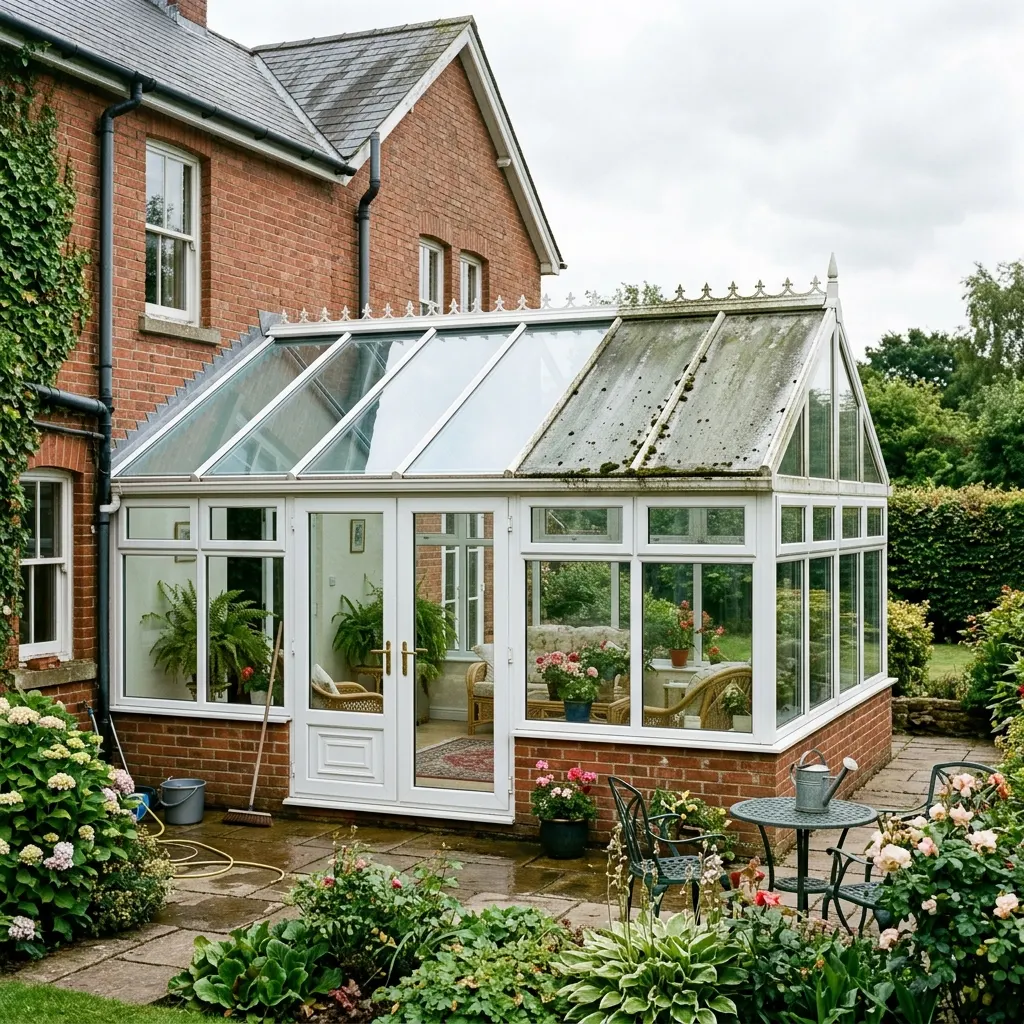
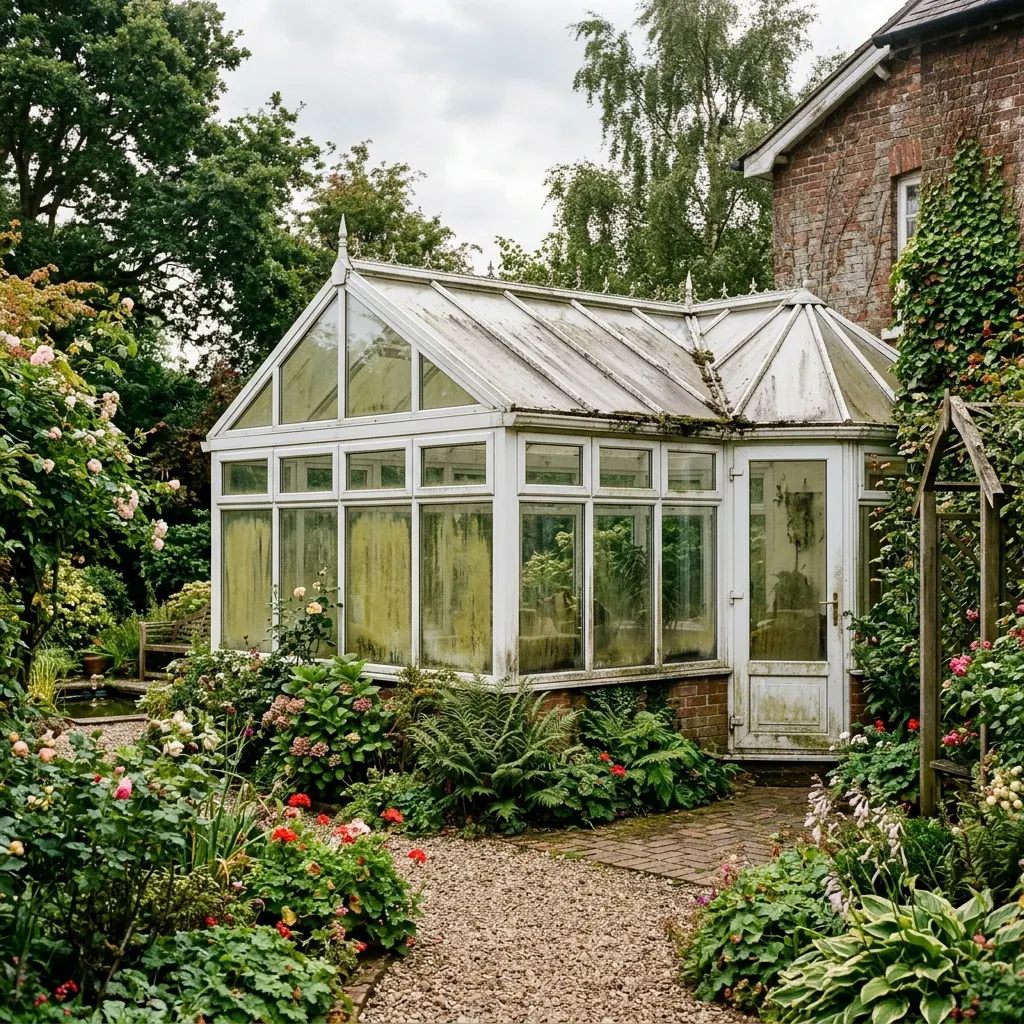
A conservatory is one of the more significant investments a Stockton-on-Tees homeowner makes in their property, drawing the garden into the house without giving up a roof over your head. But this town's position in the Tees river valley, hemmed in by decades of heavy industry along the river and the constant traffic of the A66/A19 corridor, means a conservatory roof here collects grime at a rate that catches most owners out. Left unchecked, a sun-drenched extension becomes a grey, algae-streaked liability within a couple of seasons, not a couple of decades.
At Operation Clean, we specialise in Premium Conservatory Valeting rather than a simple glass wipe. We restore the whole structure — the ornate finials and crestings above Norton's period homes, the box gutters tucked behind Fairfield's flat-fronted extensions, and the ingrained dirt inside the UPVC framework itself — because in a town carrying this much airborne carbon, the frame usually needs more attention than the glass does.
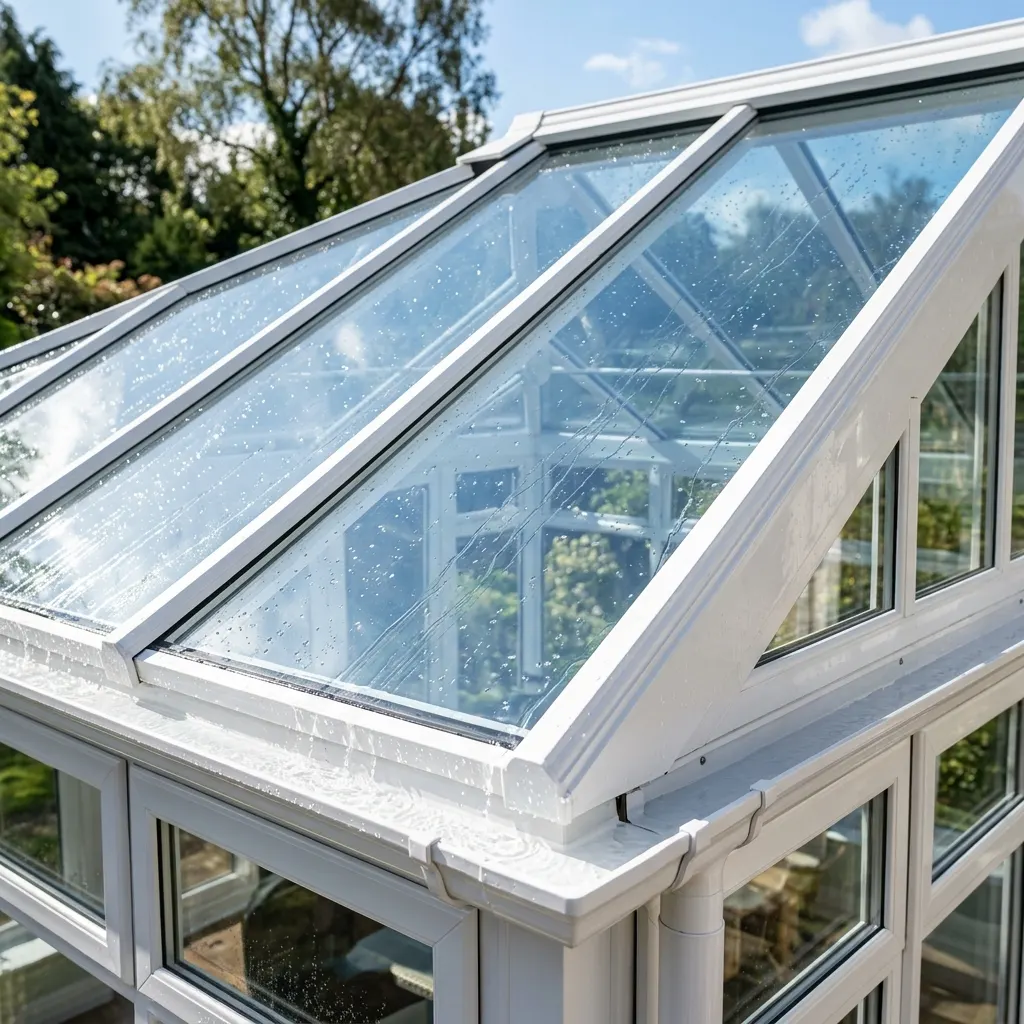
Our process pairs high-temperature pure water agitation with professional-grade TFR (Traffic Film Remover) specifically because standard window cleaning cannot shift 'Teesside Grey', the sooty residue that has settled onto UPVC and polycarbonate across the borough since the town's industrial heyday. The result is a conservatory restored to a genuinely 'like-new' condition, not just a rinse that moves the dirt around.
Quote By Conservatory Style: Intelligent Pricing for Stockton-on-Tees
Our pricing follows the shape and size of your structure rather than a flat per-window rate. Whether your conservatory sits in the leafy gardens of Hartburn or among the terraced streets of Oxbridge, select your architectural style at checkout and receive an instant, accurate quote built around your actual home.
Victorian
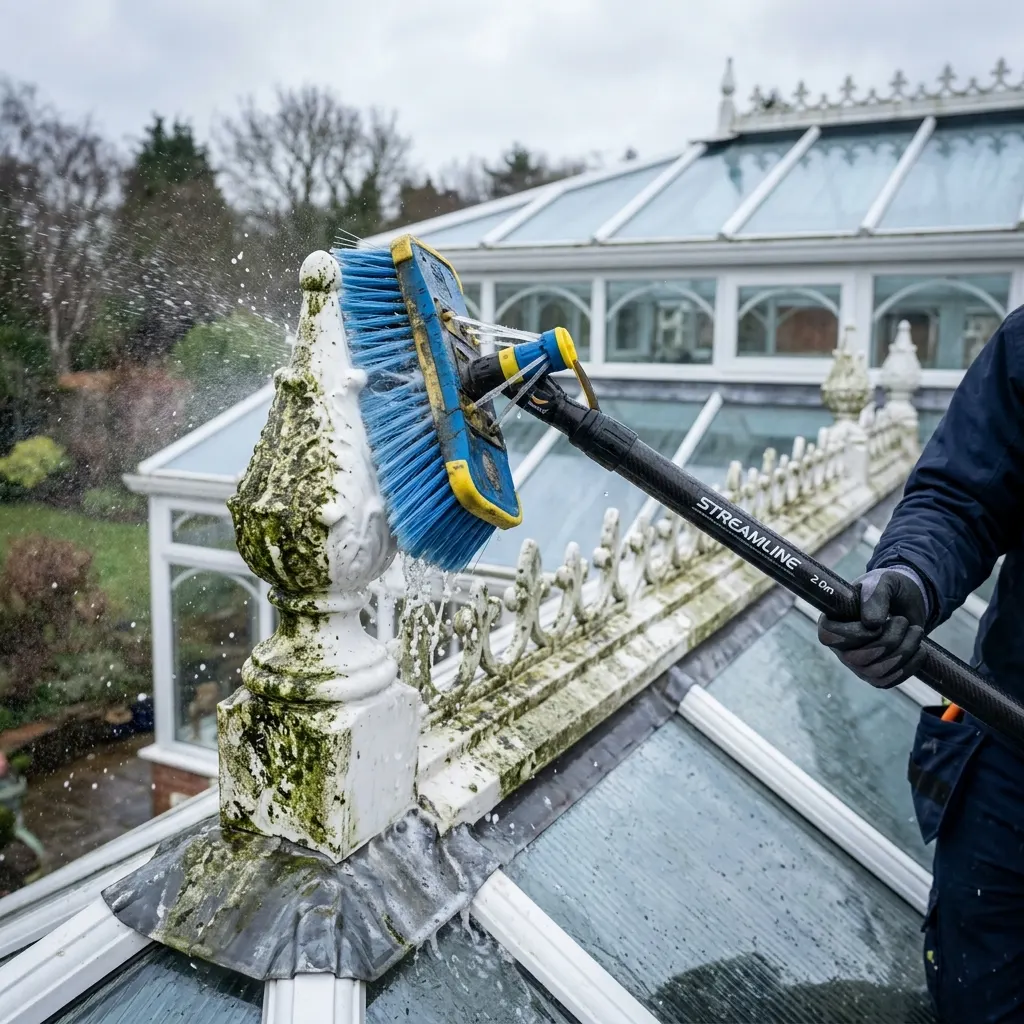
Victorian-style conservatories turn up most often on the period properties around Norton and the older streets near Stockton Town Centre, recognisable by their bay front and steeply pitched roof. These tend to be the most ornate examples we see, with decorative ridge details — finials and crestings — that act as a magnet for green algae and bird droppings. Because those details trap dirt in every groove, they need patient high-reach agitation rather than a quick pass; our technicians work specialised brushes into each crevice so organic growth doesn't "bleed" down onto the clean glass panels the next time it rains.
Technical Standard
Edwardian / Georgian
Flat-fronted, symmetrical Edwardian and Georgian-style conservatories are the most common choice on the family estates of Bishopsgarth and Fairfield, prized for the extra sense of space a squared-off design gives. Their vaulted roofs, though, create "dead zones" where silt and industrial soot settle and stay put. Our valet concentrates on the internal valleys and box gutters running along these wider roof spans, clearing the standing water and leaf mulch that collects there before it can force its way into the structure as damp.
Technical Standard
Gable / P-Shape / Lean-To
Out towards Wynyard and the larger detached plots on Stockton's fringes, we regularly take on complex Gable-ended or P-Shaped conservatories — sprawling roof spans that are simply too large and too high to clean safely from a domestic ladder. We use our 4-storey safe reach technology to work across these expansive gables without ever resting a ladder against the UPVC frame, a "Premium Plus" approach built for the most ambitious conservatory designs around Stockton.
Premium Plus
Why Your Roof Turns Green
Around Stockton-on-Tees, organic spores drift in from the Tees Valley's farmland and the Cleveland Hills to the south, while the town centre and the A66/A19 corridor supply a steady layer of carbon and traffic film underneath. Once spores land on a roof already coated in that grime, colonisation begins — and understanding how that process unfolds is the first step to stopping it before it becomes structural.
Phase 1: The Colonisation Phase (Low Risk)
A thin, invisible biofilm forms first across the UPVC and glass. You won't see it, but it's already trapping the carbon and traffic film drifting off the A19 and A66 as it settles onto the roof. At this stage the conservatory just looks a shade duller than it should, yet the groundwork for algae growth is already laid.
Phase 2: The Visible Bloom (Active Growth)
The biofilm develops into visible green algae (Chlorophyta), and moss starts rooting into the rubber gaskets around each pane. Once that happens, the organic matter holds moisture directly against the seals, and the weatherproofing that's supposed to protect your conservatory begins breaking down from the inside.
Phase 3: The Structural Breach (Critical / Permanent)
Left for more than about a year, the algae starts digesting the surface minerals in glass coatings and polycarbonate panels, pitting the material and forcing gaskets to lift. That's when leaks start appearing inside the conservatory and double-glazed units "blow" — a repair bill considerably larger than the cost of the valet that would have prevented it.
The Tipping Point: Don't wait for the "Structural Breach"
Once algae establishes a permanent colony under your rubber gaskets, it begins to digest the surface minerals, leading to permanent pitting and seal failure. Our annual valet stops this cycle in its tracks.
Inside a Full Structural Valet.
This isn't a wipe-over of the glass and a shrug at everything else. Our process works top-to-bottom through every structural component of the conservatory, covering the four areas that a standard clean — and most amateur attempts — miss entirely.
Finials & Crestings
These ornate ridge spikes sit at the very top of the extension, and because they're the first thing wind-blown spores land on, they're usually the first part of the roof to show green growth. We reach them with specialised carbon fibre poles from ground level, scrubbing the peaks so algae can't establish itself and then bleed down the glass below, keeping the crown of your conservatory white rather than streaked.
Structural Beams
White UPVC is more porous than it looks, and it absorbs airborne pollutants over years rather than days. In an industrial town like Stockton, traffic film from routes such as Portrack Lane and the wider A66/A19 corridor works its way into that surface and turns bright white frames grey or yellow. Our heated pure water opens those pores back up, lifting out the ingrained soot and returning the beams to a bright, light-reflective finish.
Gaskets & Seals
Algae taking hold beneath a rubber seal is the single most common cause of a blown double-glazed unit. As the organic matter expands under the seal it opens a gap that lets moisture into the vacuum. We clean these compression points thoroughly on every valet, protecting the seal and keeping the conservatory energy-efficient.
Internal Valleys
We flush out the hidden box gutters and valleys where the roof meets the house wall — the spot most owners never see and therefore never check. Around the mature trees of Hartburn and Fairfield in particular, these valleys fill with leaf mulch and silt fast enough to cause an overflow well before an annual clear is due, so we clear them as standard on every visit.
Postcode Specific Technical Care
The environmental load on a conservatory roof changes street by street across Stockton-on-Tees. We calibrate agitation, water temperature, and cleaning solution depending on whether you're in the industrial heart of town, a leafy established suburb, or one of the newer estates on the edge of the borough.
Stockton Town Centre & Quayside
Urban / Industrial (TS18)Properties around Stockton Town Centre and the Quayside sit closest to the legacy of the town's industrial river frontage and the A66/A19 traffic that funnels straight through the middle of the borough. The oily traffic film this produces needs our specific TFR treatment to fully degrease and whiten UPVC frames — a standard rinse simply moves it around rather than removing it.
Fairfield & Hartburn
Leafy Residential (TS18 - TS19)Hartburn and Fairfield's mature, tree-lined streets bring a different problem: rapid moss growth and heavy silt build-up in the box gutters from constantly overhanging foliage. We adjust water temperature and brush pressure here to deal with that organic load rather than the carbon film found nearer the town centre.
Bishopsgarth & Ingleby Barwick
Open Estates (TS17 - TS19)The newer, more open estates around Bishopsgarth and Ingleby Barwick face less shelter from wind and sun, meaning greater UV exposure and faster silt accumulation on unshaded roofs. We rely on high-flow rinses here to clear abrasive silt safely before it can scratch the polycarbonate panels common on these more modern conservatory designs.
The Complete Structural Restoration Protocol.
Every phase is engineered to be low-pressure but high-flow, giving a genuinely deep clean without the seal damage that high-pressure power washing on a conservatory roof so often causes.
Phase 1: Bio-Saturation Pre-Wash
We start by misting the entire roof in a high-volume, deionised water saturation, softening whatever has bonded to the surface before any brush comes near it.
This pre-wash lets moss, lichen, and bird droppings lift away without abrasive scrubbing, which matters on a material like polycarbonate that scratches more easily than most people expect.
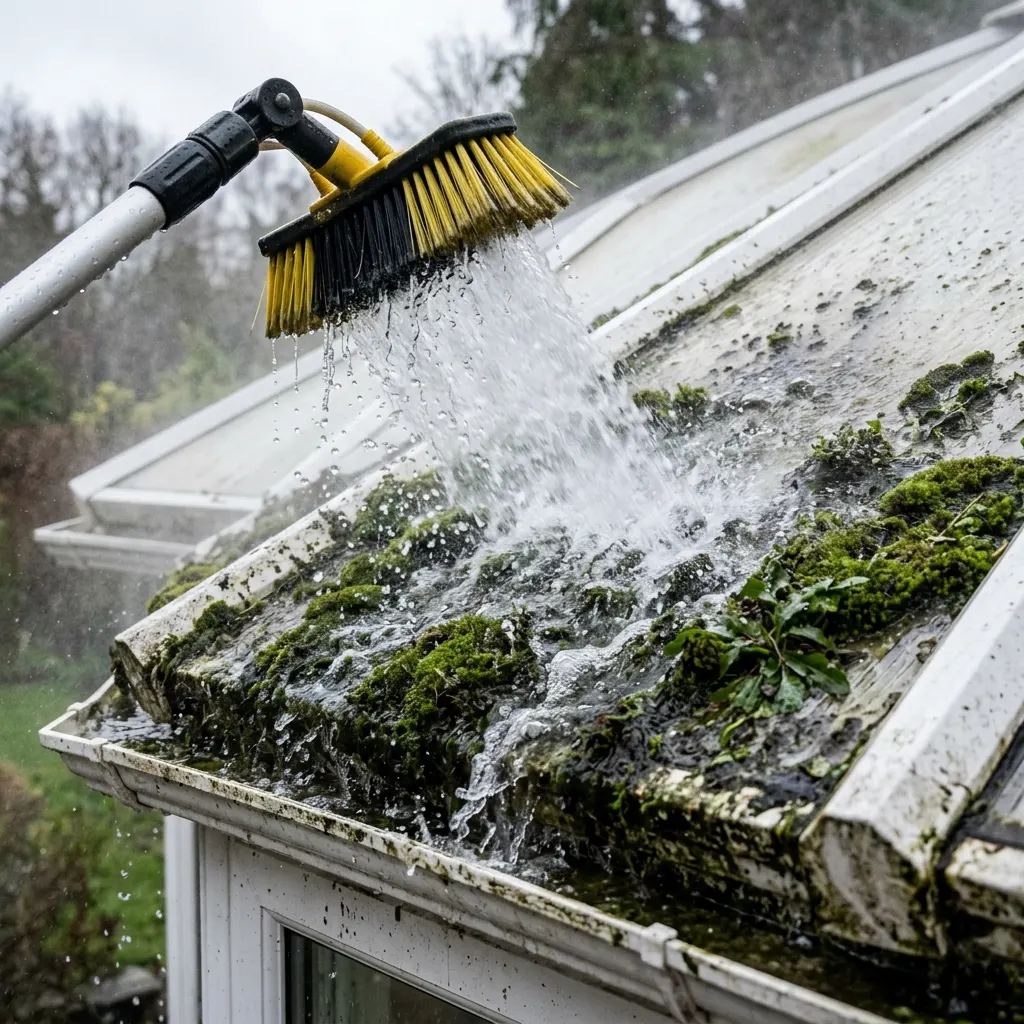
Phase 2: Intensive Structural Scrub
Working down from the ridge, we use ultra-light carbon fibre poles to agitate every panel and frame by hand rather than relying on chemicals alone.
The heat in our pure water does much of the real work here, acting as a natural solvent that melts oily traffic film and draws ingrained dirt out of porous UPVC, the same grime responsible for Stockton's "Teesside Grey" staining.
Phase 3: The Degreasing Flush
Once everything has been loosened, a high-flow rinse carries the silt, spores, and dissolved traffic film away in one continuous pass rather than smearing it back across the glass.
We pay particular attention to internal valleys and box gutters at this stage, making sure water is flowing freely through the downpipes rather than pooling, the point where most conservatory leaks in this town actually start.
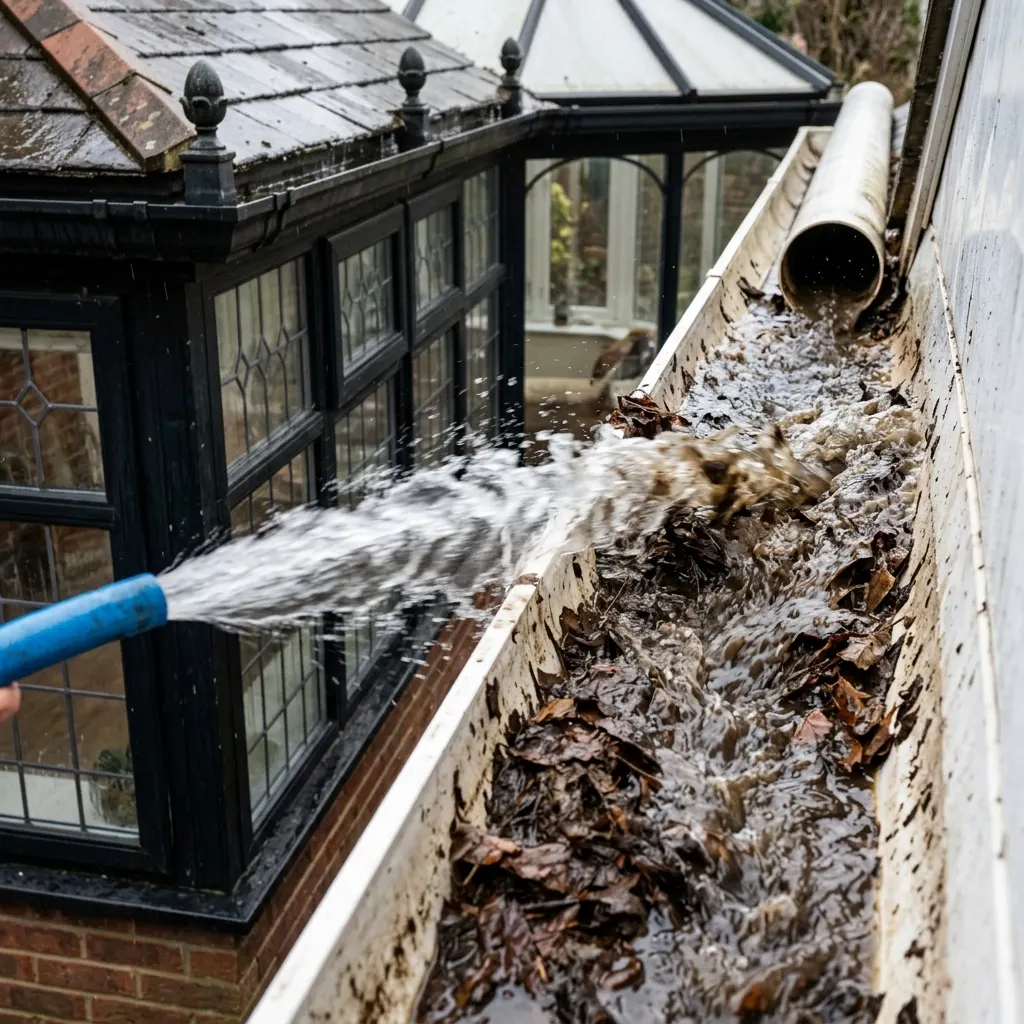
Phase 4: Surgical 0 TDS Rinse
The final pass uses 100% deionised water at 0 PPM. With no dissolved minerals to leave behind, it evaporates cleanly off the surface rather than drying into spots.
That leaves the glass and UPVC with a genuinely mirror-like finish, free of the chalky white marks that Stockton's hard tap water leaves when used on its own.
Substrate Specific Calibration
Whether your conservatory has a modern glass roof or a traditional polycarbonate one, we adjust brush pressure and water purity to suit the material underneath, not the other way round.
Self-Cleaning Glass
Photocatalytic CoatingA good number of the newer conservatories going up around Ingleby Barwick and Wynyard use self-cleaning glass, a microscopic chemical coating that uses UV light to break down dirt on its own. Standard detergents and harsh chemicals can burn straight through that coating.
Our additive-free pure water leaves the coating intact, so the glass keeps doing its own self-cleaning work long after we've left the site.
Structured Polycarbonate
Multiwall ConstructionPolycarbonate is more porous than glass and scratches far more easily. Cheap stiff-bristle brushes leave thousands of microscopic scratches that trap dirt and leave the panel permanently cloudy-looking.
We use soft-flocked, "boar's hair" style brushes instead, which lift the grey algae film without ever abrading the surface, the difference between a panel that stays clear and one that clouds up again within weeks.
Frequently Asked Questions
Common questions about our premium conservatory restoration service.
More Services
We Offer in Stockton-on-Tees
From ground level to roofline — Operation Clean protects every inch of your property's exterior.

Window Cleaning in Stockton-on-Tees
Heated pure water & TFR degreasing for a long-lasting, streak-free finish on every pane.

Gutter Clearing in Stockton-on-Tees
3,000W industrial vacuum extraction with HD camera verification — entirely from the ground.

Soffit & Fascia Cleaning in Stockton-on-Tees
Bio-degradable UPVC roofline restoration returning your plastics to brilliant, factory-white.

Solar Panel Cleaning in Stockton-on-Tees
Restore peak energy output by removing bio-film with 000 PPM zero-TDS pure water.

Commercial Cleaning in Stockton-on-Tees
SafeContractor approved B2B exterior maintenance with full RAMS and £5M+ cover.
Areas We Provide This Service
Book Your Stockton Restoration Today.
Ready to transform your conservatory? Simply select the style and size of your conservatory, tell us a bit about its current condition, and see a completely transparent price instantly on screen. No hidden fees, just professional service.
No-Obligation Pricing
We confirm the right details before pricing.
Fast Response
We usually reply within the hour — no waiting on hold.